Dealing with Electrical Noise in Gallium Iodide UV Systems
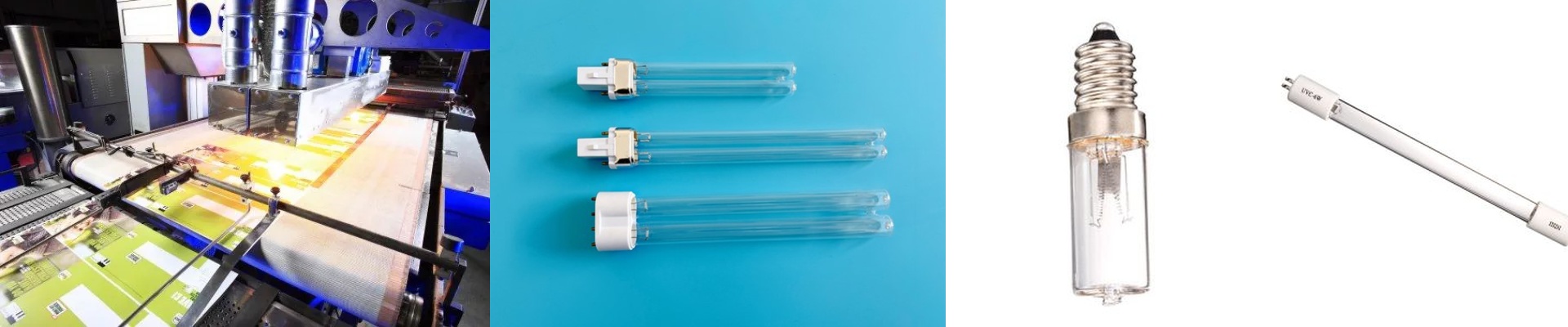
If you’re running a PCB factory, you know the drill. Gallium iodide lamps are great for high-speed photoresist curing, but they aren’t working in a vacuum. You’ve got massive printing presses and conveyor motors all firing off at once in the same room. It’s a noisy mess. Electrically speaking, anyway.
The Headache of Interference
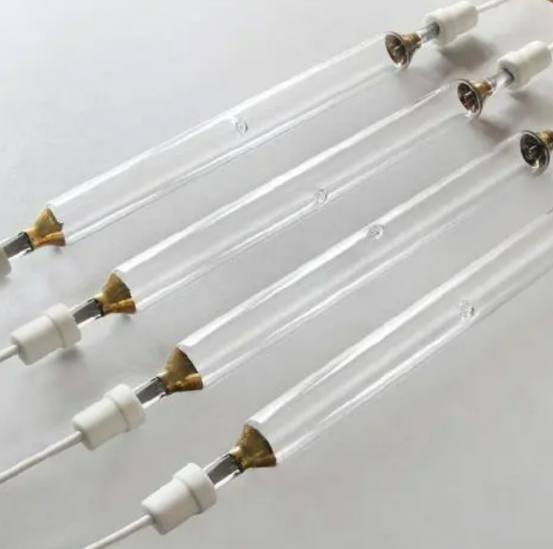
Here’s the thing: most UV power supplies just can’t handle sharing a grid with heavy industrial gear. When those big motors kick in, they send voltage spikes and electromagnetic interference (EMI) screaming through the lines. For a lot of lamps, that means flickering or—even worse—burning out way too soon. We built our Gallium iodide systems to fight this. We put in reinforced shielding and filtered power stages to keep that electrical noise far away from the arc. Think about it. When you’ve got ten machines humming in one bay, the EMI adds up fast. But these lamps keep a steady arc discharge regardless of what’s happening next door. No more “zebra stripes” or weird, uneven curing patterns just because a motor started up across the room. Your curing time stays exactly where it needs to be.
The Trade-off
Now, there is a catch. To get this kind of stability, you need heavy-duty filtering components. Those parts take up space. You’ll need a little more room in your cabinet than you would with some cheap, non-shielded driver. It’s a fair trade for peace of mind, but it’s something to keep in mind during layout.
Getting it on the Floor
Setting these up in your line is pretty painless. They slide right into your existing UV setups, but they actually survive the chaos of a printing floor. One quick tip:make sure your grounding is solid. If your factory’s grounding is shot, even the best shielding in the world can’t fix everything. But once you’ve got the wiring squared away, the stability of the discharge means your boards move through curing without the nightmare of rework caused by power dips.