Stop Guessing Your UV Cure: A Better Way to Handle Gallium Iodide Lamps
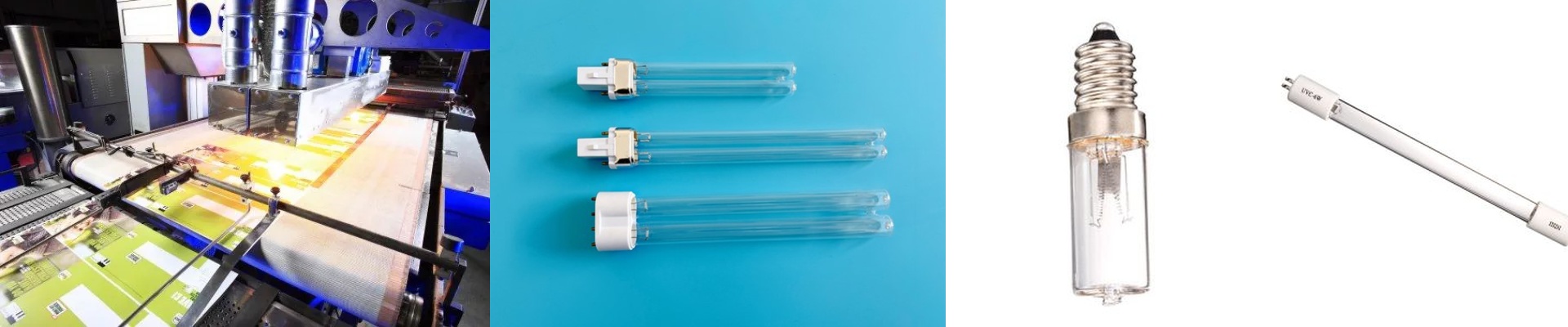
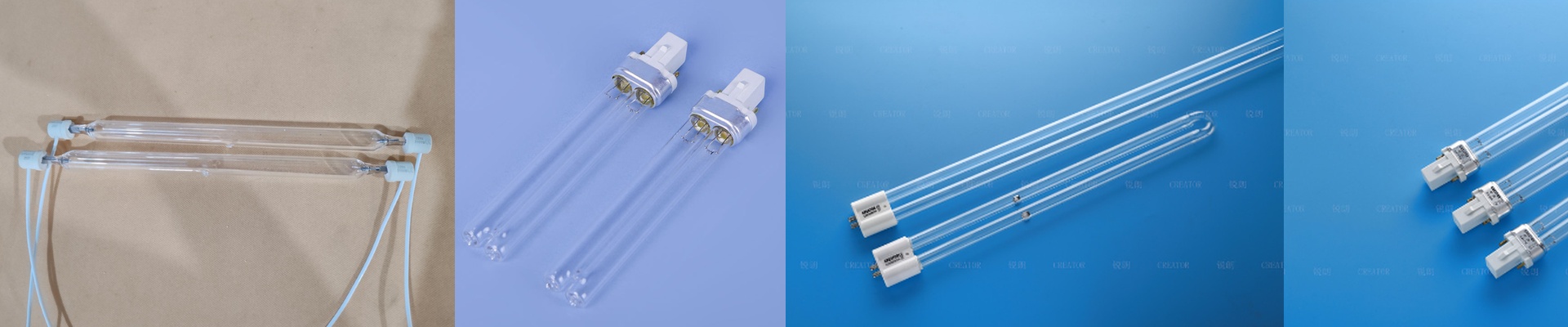
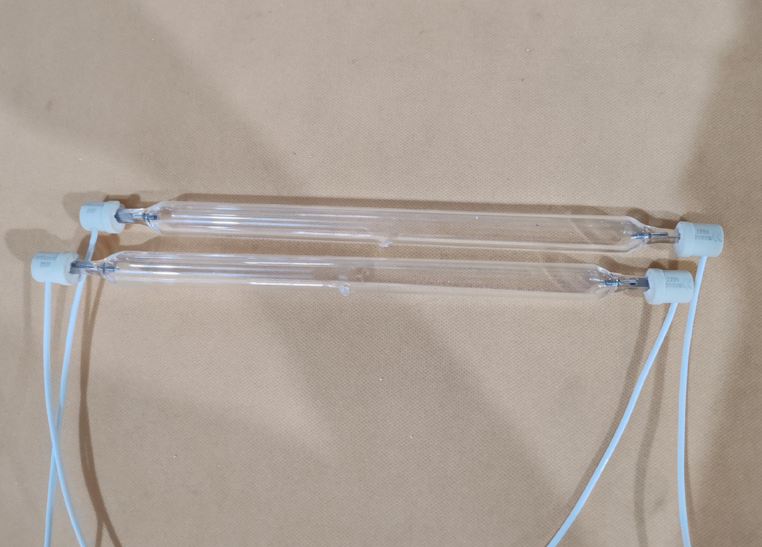
If you’re running a PCB shop, you already know that Gallium Iodide (GaI) lamps are the heavy lifters for deep-UV curing. They’re the gold standard for photoresist work because they hit that exact, narrow spectral peak that high-res resists need to actually work. But here’s the annoying part: traditional lamps are a bit of a black box. You set the voltage, the lamp glows, and you hope it’s putting out enough energy. The problem is that these bulbs fade. They don’t always just pop and die; they slowly lose their punch. Usually, the UV output drops way before the lamp actually burns out. For a long time, the only way to handle this was a guessing game—replacing bulbs based on a timer and crossing your fingers. We’re done with the guessing. We’ve added remote energy monitoring into the mix. By using IoT sensors to track power and spectral decay in real-time, you can see exactly when your irradiance dips below the line. You’ll know the second your cure is at risk, not three shifts too late. Now, let’s talk hardware. These things runhot. To get the intensity needed for HDI boards, we’re pushing a lot of wattage through a quartz envelope. To make your life easier, we designed the new generation to fit right into your existing footprints. You can just swap out your old GaI arrays without rebuilding your whole rig. We also beefed up the electrodes so they don’t flake out when you’re cycling the power on and off. One quick heads-up: those monitoring sensors take up a little extra room near the lamp head. Just double-check that your cooling fans can handle the extra heat from the sensor modules. You don’t want thermal drift messing with your readings. On the factory floor, this is where it actually pays off. We’ve all seen what happens when curing is inconsistent—resist peels, exposure is off, and you’ve got a pile of scrap. With remote monitoring, you can actually sync your lamp output with your conveyor speed. Imagine this: the sensor picks up a 10% drop in energy, and the system automatically slows the belt down to make sure the board gets the dose it needs. No more manual wafer-test strips every single shift. Instead, you get a clean data log for every single board that passes through. It’s just a smoother way to work.