Getting Your UV Curing Right with Gallium Iodide Lamps
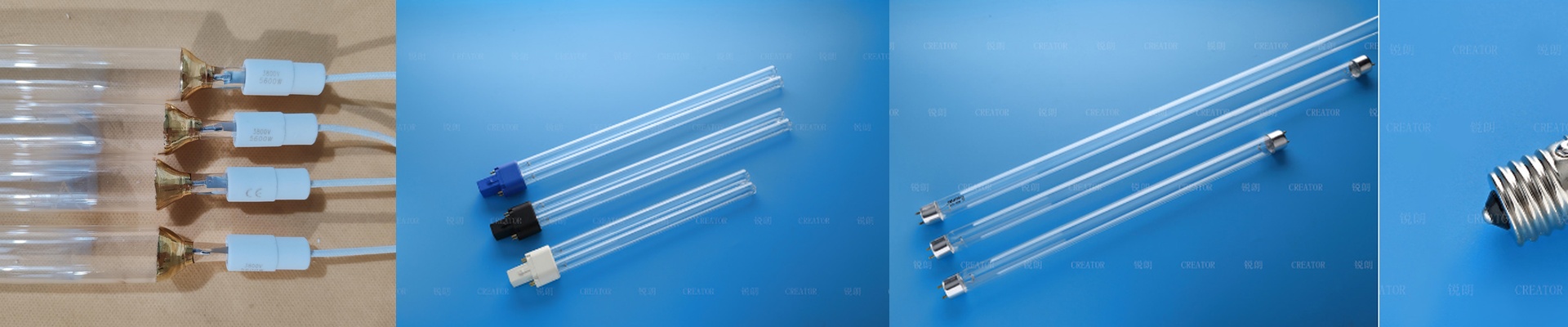
If you’ve been using standard mercury lamps for textile printing, you know the struggle. You get that “surface cure” where the ink feels dry to the touch, but as soon as you handle the fabric, it smears. It’s frustrating. That’s where gallium iodide comes in. Instead of the usual light, these lamps shift the output toward the UV-A and UV-B range. Why does that matter? Because it actually penetrates deep into those thick ink layers on porous fabrics. It doesn’t just hit the surface; it gets all the way down to the base. Watch your heat, though. We’ve designed these to hit that sweet spot between intensity and heat. You want the ink to polymerize, but you don’t want to scorch your fabric. This is where you have to be careful with your conveyor speed. If your belt crawls too slowly, the infrared heat will build up. Before you know it, you’re dealing with shrunk fabric or weird discoloration. To keep things steady, I highly recommend pairing these with a solid cooling system. It keeps the substrate temperature where it needs to be. The build quality We use high-purity fused quartz for the glass. We did this so the lamps don’t get cloudy when things get hot, which keeps the UV light flowing strong. Plus, the electrodes are built to resist sputtering, so the tubes stay clear and last much longer. One quick tip: if you’re swapping these into an old rig,**check your ballast first.**If the voltage doesn’t match, you’re just going to burn the lamp out prematurely. Not a great way to spend a Tuesday. What this means for your shop Most people use these for UV inks on everything from synthetics to natural fibers. The best part? You can usually ditch those secondary heat tunnels. It simplifies the whole floor. Your line speed will jump, which is great for your bottom line. Just keep in mind that these pull more power per meter. Make sure your electrical panel can handle that initial surge when you flip the switch.